Introduction
Understanding consumer psychology buying decisions has become the cornerstone of effective market research in today's consumer-driven economy. While traditional marketing focused primarily on logical benefits and features, groundbreaking research reveals that 95% of purchasing decisions are subconscious, driven by emotional responses rather than rational analysis. At Research and Metric, we've spent years analyzing the intricate relationship between the psychology of purchasing and consumer behavior, uncovering insights that transform how businesses connect with their audiences.The complexity of modern emotional buying behavior demands sophisticated research methodologies that go beyond surface-level data collection. Through comprehensive behavioral analysis and advanced neuromarketing techniques, we've mapped the emotional triggers that guide consumers from initial awareness to final purchase, revealing patterns that can make or break marketing strategies in understanding consumer purchase psychology.
The Science Behind Emotional Decision-Making
Neurological Foundations of Purchase Behavior
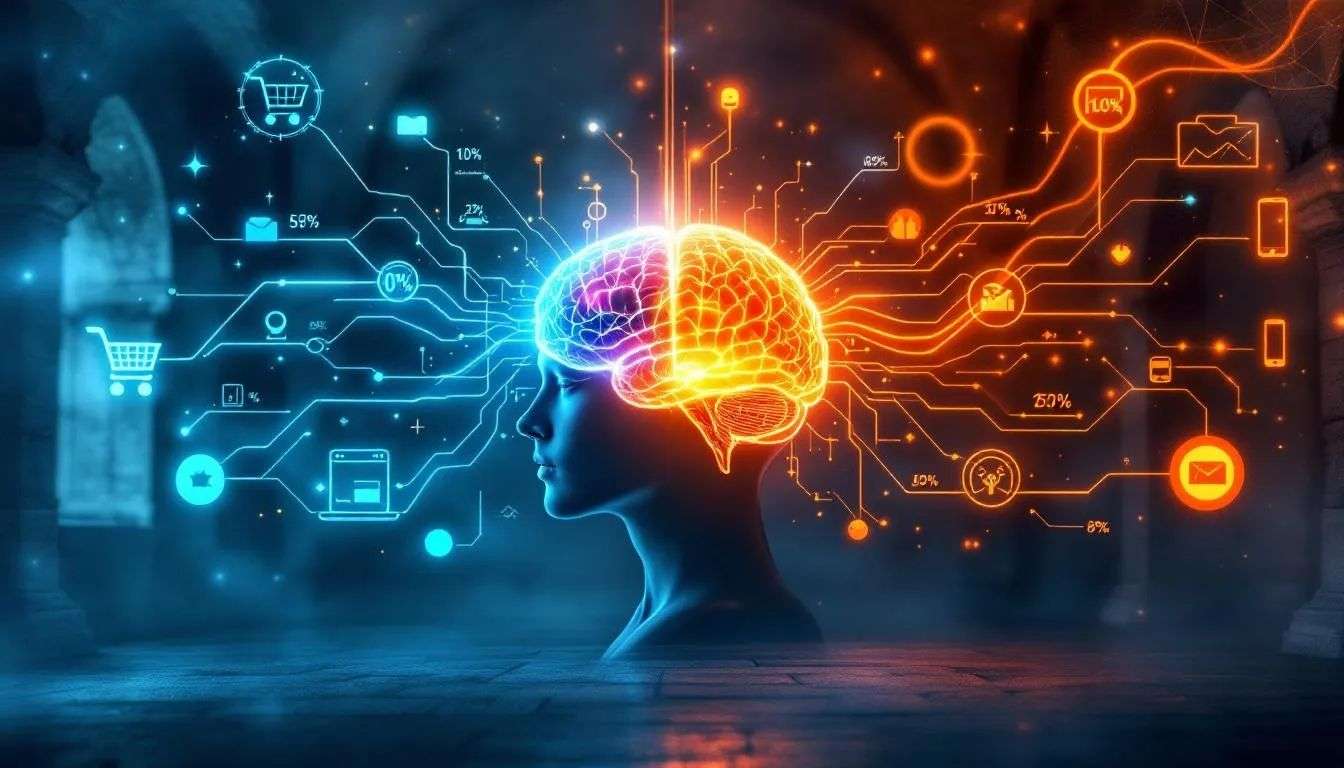
Recent neuroscience research has revolutionized our understanding of consumer psychology buying decisions. The human brain processes emotional stimuli 3,000 times faster than rational thought, creating immediate gut reactions that influence every purchasing decision. The limbic system, our brain's emotional center, activates long before the neocortex engages in logical analysis, essentially pre-determining our choices before we consciously evaluate options.
Studies utilizing fMRI technology demonstrate that brand preferences and emotional buying behavior activate the same brain regions associated with personal relationships and identity. This neurological connection explains why consumers develop deep loyalty to certain brands, treating them as extensions of their personal narrative rather than mere products or services.
The amygdala, responsible for processing emotions and memories, plays a crucial role in purchase decisions by linking products with past experiences and emotional states. This connection creates powerful associations that override logical considerations, explaining why nostalgia marketing and emotional storytelling prove so effective in driving sales.
Why Do Customers Buy Based on Emotions: The Trigger Hierarchy

Our extensive analysis of consumer psychology buying decisions has identified a hierarchy of emotional triggers that consistently influence purchases across industries:
Primary Emotional Drivers: Fear of missing out (FOMO) accounts for 60% of impulse purchases, particularly in digital commerce and limited-time offers. This primal fear taps into our evolutionary need for resource acquisition and social belonging, creating urgency that bypasses rational evaluation.
Trust and security represent foundational emotions in purchase decisions, especially for high-value items or services requiring long-term commitment. Research indicates that 83% of consumers require emotional validation through reviews, testimonials, or brand reputation before making significant purchases.
Secondary Emotional Influencers: Pride and status enhancement drive luxury purchases and brand preferences, with 72% of premium product buyers citing emotional satisfaction as their primary motivation rather than functional superiority. This emotional payoff extends beyond the purchase moment, providing ongoing psychological rewards through ownership and display.
Belonging and community connection increasingly influence purchase decisions in our socially connected world. Brands that successfully create tribal identities see 3x higher customer lifetime value compared to those focusing solely on product features.
Mapping the Customer's Emotional Journey
Pre-Purchase Emotional States
The emotional journey begins long before a consumer encounters your product. Understanding pre-purchase emotional states enables businesses to position their offerings as solutions to existing emotional needs. Our customer decision journey research reveals distinct emotional phases that precede purchase consideration:
Problem Recognition Phase: Dissatisfaction, frustration, or aspiration create the initial emotional disruption that opens consumers to new solutions. This emotional discomfort motivates information seeking and creates receptivity to marketing messages that acknowledge and validate these feelings.
Research shows that acknowledging negative emotions increases message credibility by 40%, as consumers feel understood rather than manipulated.
Information Gathering Phase: Anxiety and overwhelm often characterize this stage, particularly in complex purchase decisions. Consumers experience cognitive overload when faced with multiple options, leading to decision paralysis. Brands that simplify choice architecture while providing emotional reassurance see 25% higher conversion rates.
The Purchase Moment Psychology
The actual purchase moment represents a complex interplay of emotional marketing insights and rational justification. Our research identifies critical emotional factors that tip consumers from consideration to action:
Anticipatory Emotions: Excitement about potential outcomes drives 45% of purchase completions, particularly in experiential and aspirational categories. Visualization techniques that help consumers imagine positive future states significantly increase conversion probability.
Risk Mitigation Emotions: Fear of making wrong decisions creates hesitation at the purchase point. Effective strategies address these concerns through guarantees, social proof, and clear return policies, reducing emotional barriers to purchase completion.
The phenomenon of "buyer's high" the dopamine release associated with purchase anticipation peaks just before transaction completion. Smart retailers leverage this neurochemical response through strategic checkout design and confirmation messaging that amplifies positive emotions.
Post-Purchase Emotional Dynamics
Understanding post-purchase emotions proves crucial for customer retention and advocacy. Our analysis of purchase motivation factors extends beyond the transaction to encompass the entire ownership experience:
Validation Seeking: Immediately post-purchase, consumers seek emotional validation for their decision. This vulnerable period determines whether customers experience buyer's remorse or become brand advocates. Companies providing immediate positive reinforcement see 40% higher satisfaction scores.
Cognitive Dissonance Resolution: The brain naturally seeks to justify emotional decisions through rational explanation. Providing customers with logical benefits and social proof post-purchase helps resolve dissonance and strengthens emotional attachment to the brand.
Industry-Specific Emotional Patterns
Retail and E-commerce Emotional Triggers
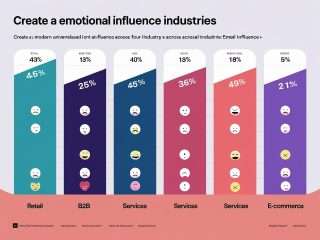
The retail sector demonstrates unique patterns in how emotions affect buying behavior statistics vary significantly between online and physical shopping environments. Understanding consumer psychology in marketing research for retail requires analyzing both digital and in-store emotional triggers:
Physical retail environments leverage multisensory emotional engagement through strategic use of lighting, music, and scent. Research indicates that pleasant ambient scenting increases dwell time by 15% and purchase likelihood by 20%, demonstrating the power of subconscious emotional influence.
E-commerce platforms compensate for lack of physical presence through sophisticated emotional design elements. Personalization algorithms that recognize and respond to emotional states through browsing behavior achieve 30% higher conversion rates than generic approaches.
B2B Emotional Decision Factors
Contrary to popular belief, B2B purchases involve even stronger emotional components than B2C transactions. The higher stakes and longer-term implications of business decisions amplify emotional factors:
Risk and Reputation: Fear of career impact influences 74% of B2B purchase decisions, making trust and credibility paramount. Decision-makers seek emotional insurance through vendor reputation, peer recommendations, and comprehensive support guarantees.
Professional Pride: The desire to be seen as innovative and forward-thinking drives technology adoption and vendor selection. B2B buyers report that emotional connection to a brand makes them 3x more likely to recommend it to others.
Service Industry Emotional Connections
Service purchases involve unique emotional considerations due to their intangible nature and ongoing relationship requirements. Market research on emotional buying triggers in service industries reveals distinct patterns:
Relationship Building: Emotional connection with service providers significantly outweighs price considerations, with 68% of consumers willing to pay premium rates for providers they trust and feel understood by.
Experience Anticipation: Service purchases often involve buying future experiences, making emotional projection crucial. Successful service marketing creates vivid emotional previews of positive outcomes, reducing uncertainty and increasing purchase confidence.
Leveraging Emotional Intelligence in Market Research
Advanced Emotional Analytics Techniques
Modern understanding customer emotional journey mapping requires sophisticated research methodologies that capture both conscious and subconscious emotional responses:
Biometric Monitoring: Eye-tracking, galvanic skin response, and heart rate variability provide objective measures of emotional engagement. These physiological indicators reveal authentic emotional responses that survey questions might miss.
Sentiment Analysis: Natural language processing algorithms analyze customer communications to identify emotional patterns and triggers. This technology enables real-time emotional monitoring across thousands of customer interactions.
Behavioral Analytics: Digital behavior patterns reveal emotional states through interaction metrics like scroll speed, click patterns, and abandonment points. These insights enable precise emotional journey optimization.
Implementing Emotional Research Findings
Translating emotional research into actionable strategy requires systematic approach and organizational alignment:
Emotional Persona Development: Creating detailed emotional profiles goes beyond demographic segmentation to capture psychological drivers and emotional need states. These personas guide product development, messaging, and customer experience design.
Emotional Journey Optimization: Identifying and addressing emotional friction points throughout the customer journey improves conversion rates and satisfaction scores. Companies implementing emotion-based journey optimization report average revenue increases of 15-20%.
Predictive Emotional Modeling: Machine learning algorithms trained on emotional response data can predict future purchase behavior with 85% accuracy, enabling proactive engagement strategies that address emotional needs before they're consciously recognized.
Measuring Emotional ROI
Emotional Metrics and KPIs
Quantifying emotional impact requires specialized metrics that complement traditional performance indicators:
Emotional Engagement Score (EES): Combining behavioral, physiological, and self-reported data creates comprehensive emotional engagement metrics. High EES correlates with 2.5x higher customer lifetime value.
Emotional Conversion Rate: Tracking conversion rates by emotional state reveals optimization opportunities. Customers in positive emotional states convert at rates 35% higher than neutral states.
Brand Emotional Equity: Measuring the emotional value consumers attach to brands predicts long-term market performance better than traditional brand awareness metrics.
Case Studies in Emotional Marketing Success
Technology Sector Transformation: A major software company increased subscription renewals by 42% after implementing emotion-based customer success strategies identified through our research. By addressing fear and frustration points in the user experience, they transformed customer relationships from transactional to emotional.
Retail Revolution: A fashion retailer achieved 60% increase in average order value by redesigning their online experience around emotional journey insights. Strategic use of social proof, scarcity messaging, and personalized emotional triggers created compelling purchase experiences.
Financial Services Innovation: A banking institution reduced customer churn by 30% through emotion-aware service design. By identifying and addressing anxiety triggers in financial decision-making, they built stronger emotional connections with customers.
Future Trends in Emotional Purchase Research
Artificial Intelligence and Emotional Recognition
AI-powered emotional recognition technology promises unprecedented insights into consumer psychology:
Real-time Emotional Adaptation: Future marketing systems will adjust messaging, imagery, and offers based on real-time emotional state detection, creating truly personalized emotional experiences.
Predictive Emotional Intelligence: Advanced algorithms will anticipate emotional needs before they manifest, enabling proactive engagement that builds deeper brand relationships.
Ethical Considerations in Emotional Marketing
As emotional influence techniques become more sophisticated, ethical considerations gain importance:
Transparency and Consent: Consumers increasingly expect transparency about emotional influence techniques. Brands building trust through honest emotional engagement see stronger long-term relationships.
Emotional Well-being: Responsible emotional marketing considers consumer well-being, avoiding manipulation while genuinely addressing emotional needs.
Conclusion
The science of consumer psychology buying decisions represents the frontier of market research, revealing insights that transform how businesses understand and serve their customers. As we've explored, emotional factors drive 95% of consumer behavior, making the psychology of purchasing essential knowledge for business success. Research and Metric continues pioneering advanced methodologies that decode these emotional buying behavior patterns, providing clients with actionable insights that drive growth and customer satisfaction.
Understanding and leveraging consumer purchase psychology isn't about manipulation it's about creating authentic connections that address real emotional needs while delivering genuine value. The future belongs to brands that master this emotional intelligence, building relationships that transcend transactional interactions through deep understanding of buying decision factors.
Ready to unlock the emotional insights driving your customers' decisions? Contact Research and Metric today for a comprehensive emotional journey analysis tailored to your industry and objectives. Visit www.researchandmetric.com to schedule your consultation and discover how emotional intelligence can transform your market research strategy.