Key takeaways
- Hybrid focus groups blend in-person and remote participants, giving wider geographical reach while moderators can still read body language in the room.
- Virtual groups meet entirely online, so they suit dispersed audiences, while hybrid groups suit projects that need hands-on product handling alongside wider reach.
- Metaverse-based focus groups let participants interact with products and concepts in immersive virtual spaces, but they need the same care for privacy and consent as any other method.
- In-person groups often remain best for products to touch, taste or smell, for sensitive topics, and for audiences uncomfortable with headsets or video calls.
- Whatever the format, a skilled moderator and a clear discussion guide turn recordings and transcripts into useful insights, so analysis should be planned alongside fieldwork.
On this page 8 sections
In today's rapidly evolving market research landscape, traditional focus groups are undergoing a transformative revolution. At Research and Metric, we're at the forefront of this evolution. In particular, we combine the best of physical and digital worlds through hybrid focus groups and metaverse-based research methodologies.
The Emergence of Hybrid Focus Groups
The market research industry has witnessed a significant shift in how we gather consumer insights. Hybrid focus groups represent a sophisticated blend of traditional and digital methodologies. As a result, they offer unprecedented flexibility and depth in data collection. In response, Research and Metric has refined this approach to deliver richer, more nuanced consumer insights.

Key Advantages of Our Hybrid Approach
Our hybrid focus group methodology combines in-person dynamics with digital convenience, enabling:
- Real-time interaction between physical and virtual participants
- Enhanced geographical reach while maintaining personal connection
- Sophisticated data collection through multi-modal engagement
- Cost-effective research solutions without compromising quality
How Hybrid Differs from Virtual Focus Groups
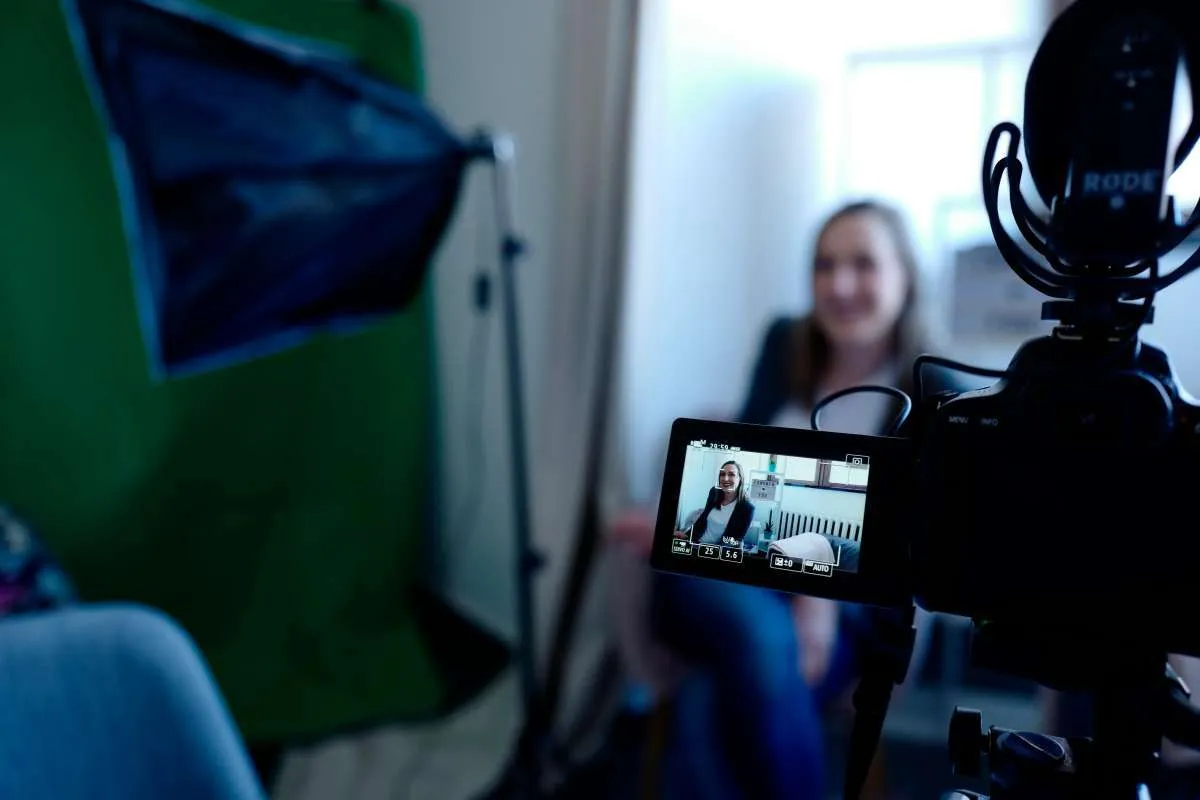
Virtual focus groups bring every participant together online. Hybrid focus groups, however, seat some participants in a room while others join remotely. As a result, moderators can read body language in person and still include people who cannot travel.
Each format suits different briefs. For example, fully virtual sessions can work well for dispersed audiences, while hybrid sessions suit projects that need hands-on product handling alongside wider reach.
Pioneering Metaverse-Based Research
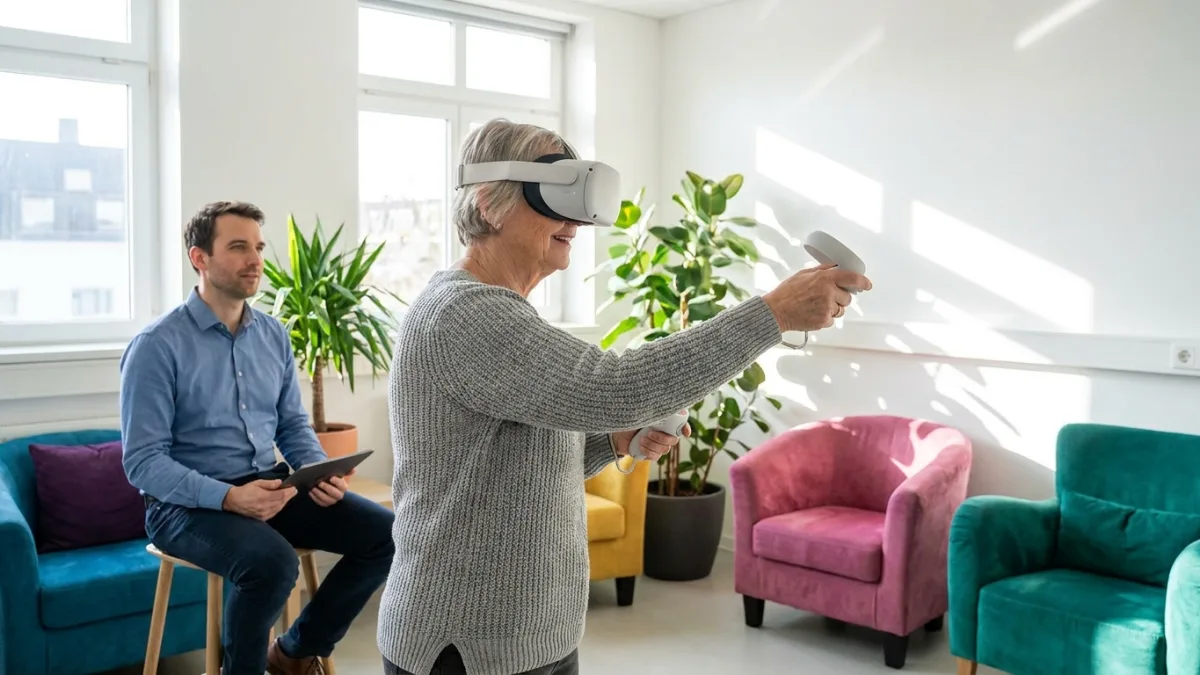
The metaverse opens new frontiers in market research, and Research and Metric is leading this digital transformation. Our metaverse-based focus groups create immersive environments where participants interact with products and concepts in virtual spaces. As a result, they provide unprecedented insights into consumer behaviour.
However, immersive spaces need the same care for participants as any other method. For example, the ICC/ESOMAR International Code sets out how researchers should protect participants' privacy and gain their consent.
Revolutionary Features of Our Metaverse Research
Our cutting-edge metaverse research platform offers:
- Immersive product testing environments
- Virtual prototype evaluation
- Real-time behavioural analysis
- Cross-cultural research capabilities
When In-Person Groups Still Work Best
Newer formats do not replace every traditional session. In-person groups often remain the strongest choice when participants need to touch, taste or smell a product, or when a topic is sensitive and benefits from a private, face-to-face setting. Likewise, some audiences are less comfortable with headsets or video calls, and a familiar room puts them at ease.
Questions to Ask Before Choosing a Format
Before you commission a study, consider:
- What do participants need to see, handle or experience?
- Where do your target participants live, and how easily can they travel?
- How comfortable are they with the technology involved?
- How sensitive is the topic, and what privacy does it need?
Clear answers help match the method to the objective. In turn, this keeps market research innovation focused on better evidence rather than novelty for its own sake.
The Research and Metric Difference
As a leading US-based market research company, we combine technological innovation with methodological rigour. Our approach to hybrid and metaverse-based research is grounded in:
- Scientific methodology
- Data security and privacy
- Participant engagement
- Actionable insights
Turning Sessions into Digital Consumer Insights
Whatever the format, the value lies in what you do with the discussion. Digital tools make it easier to capture transcripts, recordings and behavioural cues in one place. However, a skilled moderator and a clear discussion guide still decide whether those inputs become useful digital consumer insights. Therefore, plan analysis alongside fieldwork from the start.
Future-Proofing Market Research
The integration of hybrid and metaverse methodologies represents more than just technological advancement. Instead, it's a fundamental shift in how we understand consumer behaviour. For this reason, Research and Metric continues to invest in these methodologies to give our clients deeper, more meaningful insights.
Our Innovation Roadmap
In addition, we're constantly evolving our research capabilities through:
- Advanced AI integration
- Enhanced virtual reality environments
- Improved data analytics tools
- Cross-platform compatibility
Contact Research and Metric
Ready to revolutionise your market research? Contact Research and Metric to learn how our hybrid and metaverse-based focus groups can transform your consumer insights:
Get startedGet new articles by email
Useful tips on surveys and research. One email when we post something new. Unsubscribe anytime.