Introduction
Gen Z shopping habits are reshaping the entire retail landscape at unprecedented speed. By 2025, Generation Z commands over $450 billion in direct spending power globally, making their preferences impossible for brands to ignore. As the first truly digital-native generation enters peak earning years, understanding Gen Z shopping habits has become essential for retail survival.
The challenge facing brands today isn't simply understanding what Gen Z buys—it's grasping how they discover, evaluate, and ultimately choose where to spend their money. Traditional retail playbooks built for Millennials and Gen X fall flat with a generation that grew up with smartphones in hand and algorithms curating their world.
What makes Gen Z shopping habits so different? This generation expects seamless digital experiences, demands authentic brand relationships, and prioritizes sustainability in ways previous generations never did. In this comprehensive guide, we examine the fundamental shifts Gen Z shopping habits are driving across the retail landscape. Drawing on current market research and consumer intelligence, Research and Metric reveals the key patterns reshaping retail in 2025 and beyond.
Understanding Gen Z Consumer Behavior: The Digital-First Discovery Journey
Gen Z shopping habits begin differently than any previous generation—they don't browse, they scroll, swipe, and discover. Unlike older consumers who might start their shopping journey with a Google search or mall visit, Gen Z consumers increasingly encounter products through social media feeds, influencer content, and peer recommendations.
According to Forbes research on Gen Z consumer behavior, over 60% of Gen Z discovers new brands through social platforms rather than traditional advertising channels. This statistic alone demonstrates why understanding Gen Z shopping habits is crucial for modern retailers.
Social Commerce Dominates Gen Z Retail Trends
The path from discovery to purchase has compressed dramatically due to evolving Gen Z shopping habits. Social commerce features allowing in-app purchasing mean the gap between "I want this" and "I bought this" shrinks to seconds. Platforms like TikTok, Instagram, and Pinterest have transformed into powerful shopping destinations.
Key characteristics of Gen Z shopping habits in social commerce include:
TikTok has emerged as a primary product discovery engine, with the hashtag #TikTokMadeMeBuyIt generating billions of views. Instagram Shopping enables seamless browsing and purchasing without leaving the app. Pinterest serves as a visual search engine where Gen Z shopping habits translate inspiration into purchases instantly.
Retailers who create friction in this journey—requiring multiple clicks, app switches, or cumbersome checkout processes—lose sales to competitors who meet consumers where they already are. Our consumer research services help brands map these critical touchpoints and optimize for Gen Z shopping habits.
Key Takeaway: Retail success with Gen Z requires treating social platforms as primary discovery and conversion channels, not supplementary marketing touchpoints.
Authenticity: The Non-Negotiable Factor in Gen Z Brand Loyalty
For Gen Z, brand authenticity isn't a nice-to-have—it's a filter determining whether they engage at all. Gen Z shopping habits include sophisticated vetting processes, and this generation has developed sharp radar for detecting performative marketing. They respond to perceived inauthenticity by disengaging entirely or actively sharing criticism across their networks.

What Authenticity Means for Gen Z Consumer Behavior
What constitutes authenticity within Gen Z shopping habits? Consistency between stated values and actual business practices ranks highest. They research companies before purchasing, checking for alignment between marketing messages and reported corporate behavior.
The National Retail Federation's consumer research confirms that Gen Z shopping habits are increasingly shaped by brand transparency and verified claims. A brand promoting sustainability while using excessive packaging, or championing diversity while lacking leadership representation, faces swift backlash.
User-Generated Content Trumps Traditional Marketing
User-generated content and peer reviews carry more weight than polished brand messaging in shaping Gen Z shopping habits. Gen Z trusts real customer experiences over professional marketing, making review management and community building essential retail competencies.
Industries from fashion to consumer electronics to food service must adapt their communication strategies accordingly. Understanding these authenticity expectations requires qualitative research methodologies that dig deeper into Gen Z shopping habits and motivations.
Research and Metric's consumer studies consistently reveal that brands demonstrating transparent practices—honest product descriptions, clear pricing, and accountable customer service—build stronger Gen Z brand loyalty than those relying on traditional brand prestige alone.
Key Takeaway: Gen Z demands verifiable authenticity, making transparent practices and genuine community engagement more valuable than traditional brand-building tactics.
Sustainable Shopping Gen Z: Environmental Values Meet Economic Reality
Environmental and social sustainability has moved from differentiator to baseline expectation within Gen Z shopping habits. However, the relationship between stated values and actual purchasing behavior reveals important nuances that retailers must understand.
The Sustainability-Price Balance in Gen Z Shopping Habits
Gen Z expresses strong preference for sustainable products, but price sensitivity remains a significant factor influencing Gen Z shopping habits. Research across EU, UK, and APAC markets shows that while Gen Z will pay modest premiums for verified sustainable options, they expect sustainability to be accessible rather than exclusively premium-positioned.
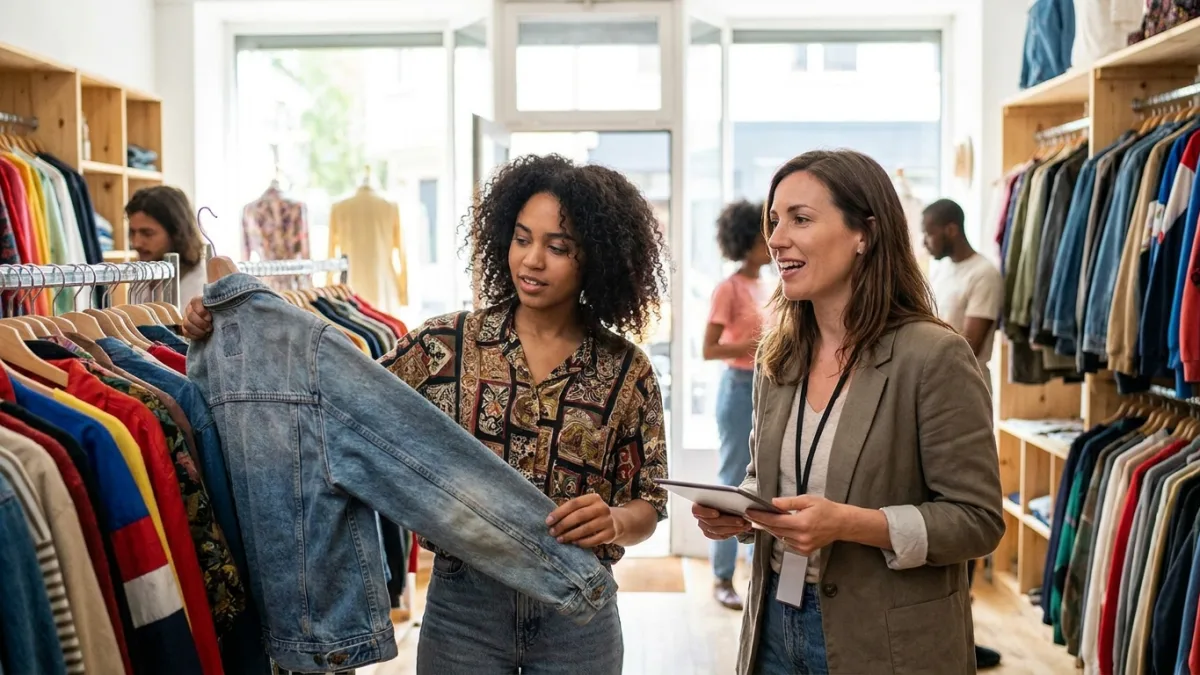
Sustainable shopping Gen Z preferences include eco-friendly packaging as standard expectation, secondhand and resale platform popularity, brands with verified environmental certifications, and circular economy models including rental and refurbishment programs.
Brands treating eco-friendly lines as luxury upsells often miss the mark with budget-conscious younger consumers. Gen Z shopping habits reflect this tension between values and economic reality that smart retailers must navigate.
Transparency Defeats Greenwashing
Transparency about sustainability claims matters as much as the claims themselves in shaping Gen Z shopping habits. Gen Z has grown skeptical of greenwashing and seeks specific, verifiable information rather than vague environmental messaging.
Companies providing supply chain visibility, carbon footprint data, and third-party certifications earn greater trust. Understanding these Gen Z shopping habits requires robust data collection across multiple markets.
The circular economy resonates strongly with this generation. Resale platforms like Depop and ThredUp, rental services, and refurbishment programs appeal to both sustainability values and economic pragmatism. Retailers incorporating these models see increased engagement driven by Gen Z shopping habits.
Key Takeaway: Gen Z expects sustainability as standard rather than premium, demanding transparency, accessibility, and circular economy options.
Omnichannel Retail: How Gen Z Shopping Habits Redefine Physical Stores
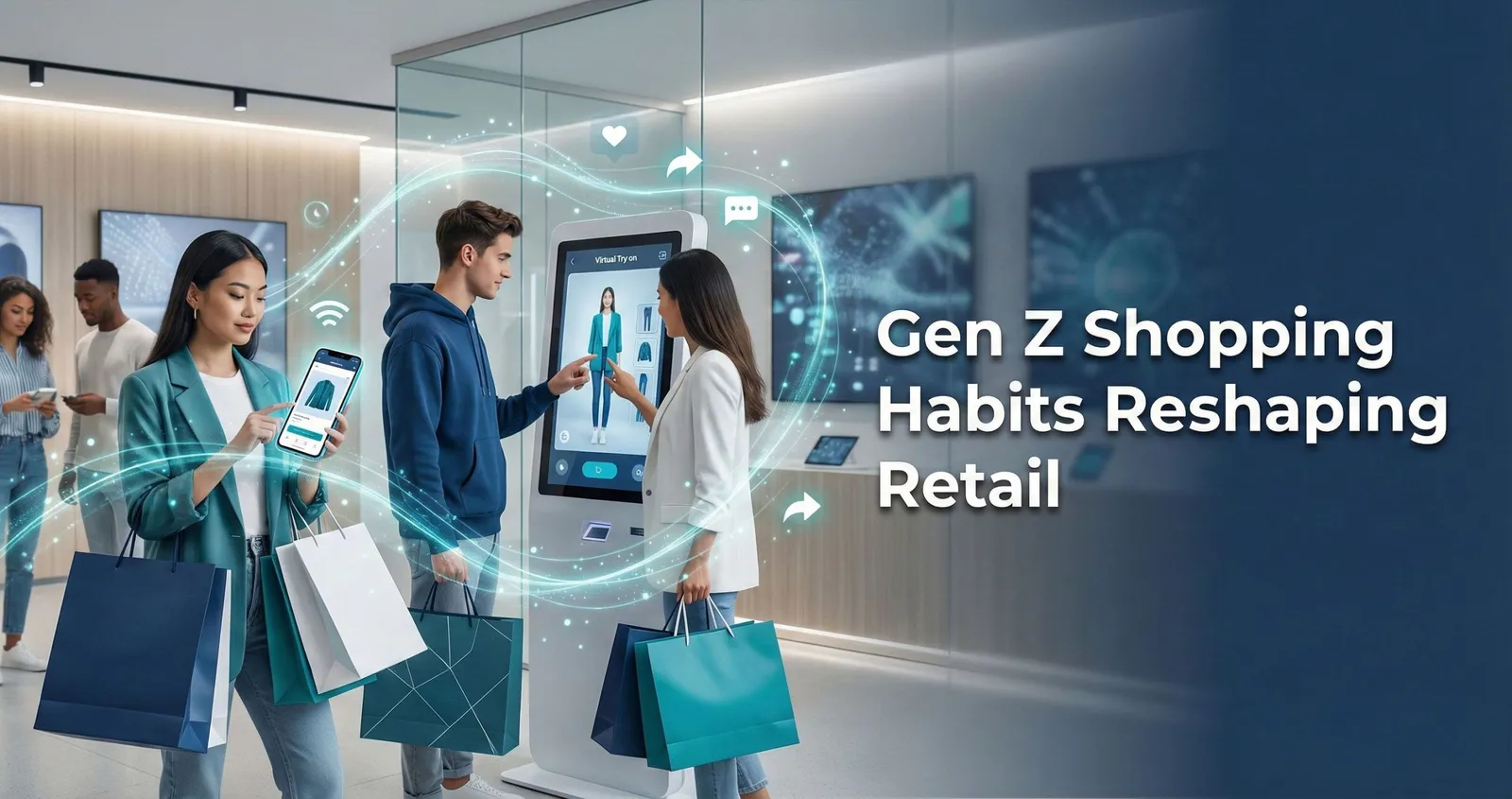
Despite their digital orientation, Gen Z shopping habits haven't abandoned physical retail—they've redefined its purpose entirely. Stores serve as experience destinations, product testing grounds, and social spaces rather than primary transaction points.
Physical Retail as Experience Destination
Successful physical retail for Gen Z combines experiential elements with digital integration. Gen Z shopping habits favor interactive displays, personalization technology, and social media-friendly environments that drive foot traffic.
The store becomes content creation opportunity as much as shopping venue. Gen Z consumers are more likely to visit locations offering shareable moments that align with their Gen Z shopping habits and social media presence.
What Gen Z shopping habits expect from physical retail includes Instagram-worthy store designs and installations, technology integration including AR mirrors and digital lookbooks, seamless connection between online browsing and in-store experience, and staff functioning as product experts and community builders.
Seamless Omnichannel Experience Is Essential
Click-and-collect and ship-to-store options address Gen Z's desire for immediacy while maintaining flexibility. Gen Z shopping habits demand seamless transitions between online browsing, mobile purchasing, and in-store pickup or returns.
Retailers creating friction between channels—requiring separate accounts, inconsistent pricing, or complicated return processes—lose loyalty quickly. Tracking these evolving Gen Z shopping habits requires ongoing panel research and consumer monitoring.
The associate role also transforms in Gen Z-optimized retail environments. Rather than traditional sales assistance, staff members function as product experts, experience facilitators, and community builders, responding to Gen Z shopping habits that value expertise over sales pressure.
Key Takeaway: Physical retail succeeds with Gen Z by serving as experience destination and community space, with seamless digital integration throughout.
Digital Shopping Trends: Technology Shaping Gen Z Consumer Behavior
Technology sits at the heart of Gen Z shopping habits, driving expectations that continue evolving rapidly. Understanding these digital shopping trends helps retailers anticipate where Gen Z consumer behavior is heading.
Mobile Commerce Dominates Gen Z Shopping Habits
Mobile devices are the primary shopping tool for Gen Z, with over 75% of their digital commerce occurring on smartphones. Gen Z shopping habits favor apps over mobile websites, one-click purchasing options, mobile payment solutions like Apple Pay and Google Pay, and push notifications for deals and restocks.
Retailers without mobile-optimized experiences miss significant revenue from Gen Z shopping habits that default to smartphone browsing and purchasing.
AI and Personalization Expectations
Gen Z shopping habits increasingly expect AI-powered personalization that feels helpful rather than intrusive. They want relevant product recommendations based on browsing history, personalized deals matching their preferences, chatbot assistance for quick questions, and virtual try-on technology for fashion and beauty.
However, Gen Z shopping habits also include strong privacy awareness. They expect personalization that respects data boundaries—a balance retailers must carefully navigate.
Key Takeaway: Technology is foundational to Gen Z shopping habits, with mobile commerce, AI personalization, and emerging tech like AR shaping expectations.
Strategic Approaches for Capturing Gen Z Brand Loyalty
Converting Gen Z interest into lasting loyalty requires intentional strategy across several dimensions. Gen Z shopping habits reward brands that authentically meet their expectations while punishing those perceived as performative.
Five Strategies Aligned with Gen Z Shopping Habits
First, invest in social commerce infrastructure enabling frictionless discovery-to-purchase journeys. Gen Z shopping habits reward brands reducing friction at every step with platform-native shopping experiences.
Second, build authentic community presence rather than broadcast campaigns. Partner with micro-influencers whose audiences align with brand values, engage genuinely in conversations, and create opportunities for user-generated content.
Third, implement transparent sustainability practices with verifiable credentials. Gen Z shopping habits generate skepticism toward vague environmental claims while rewarding specific data and third-party certifications.
Fourth, reimagine physical retail as experience destination. Create environments worth visiting and sharing, integrate digital touchpoints throughout the journey, and train staff as community builders.
Fifth, maintain value alignment consistently across all touchpoints. Gen Z shopping habits include sophisticated verification behaviors that catch brand missteps quickly, so ensure stated values reflect actual business operations.
The Future of Gen Z Retail Trends: What's Next
As Gen Z matures into peak earning and spending years, Gen Z shopping habits will increasingly set expectations for all consumer demographics. Several emerging trends signal where retail is heading.
Emerging Technologies and Gen Z Shopping Habits
AI-powered personalization will become increasingly sophisticated, with Gen Z expecting relevant recommendations respecting privacy boundaries. Augmented reality shopping experiences will mature from novelty to expectation, particularly in fashion and home goods categories.
Community commerce—peer-to-peer selling within social platforms—will capture growing market share as Gen Z shopping habits favor trusted networks over anonymous marketplaces. Voice commerce and smart home integration will create new touchpoints for Gen Z consumer behavior.
Preparing for Evolving Gen Z Shopping Habits
Retailers building genuine relationships with Gen Z consumers today position themselves for long-term success as this generation's spending power peaks. Those treating Gen Z as just another demographic segment, applying traditional retail approaches with minor digital adjustments, will find themselves increasingly irrelevant.
Our retail industry expertise helps brands navigate these shifts strategically, staying ahead of evolving Gen Z shopping habits across global markets.
Key Takeaway: Gen Z shopping habits will define retail's future, making early adaptation essential for long-term competitive advantage.
Conclusion: Embracing Gen Z Shopping Habits for Retail Success
Gen Z shopping habits represent more than generational preference—they signal fundamental shifts in how retail must operate. From digital-first discovery to authenticity demands, from sustainability expectations to redefined physical retail, this generation is reshaping the industry's future.
Understanding these shifts requires ongoing consumer intelligence and market research capturing not just what Gen Z says, but how their actual behavior evolves. Surface-level demographic assumptions lead to strategic missteps; deep consumer understanding of Gen Z shopping habits drives competitive advantage.
The brands thriving in 2025 and beyond will be those that genuinely understand and respond to Gen Z shopping habits—not as a marketing exercise, but as fundamental business transformation.
Ready to understand your Gen Z consumers at a deeper level? Contact Research and Metric today to discover how our AI-powered research solutions can transform your consumer data into actionable intelligence that drives retail success.
Introduction
By 2025, Generation Z commands over $450 billion in direct spending power globally, and their influence extends far beyond their own wallets. As the first truly digital-native generation enters peak earning years, retailers who ignore Gen Z shopping habits do so at significant risk.
The challenge facing brands today isn't simply understanding what Gen Z buys—it's grasping how they discover, evaluate, and ultimately choose where to spend their money. Traditional retail playbooks built for Millennials and Gen X fall flat with a generation that grew up with smartphones in hand and algorithms curating their world. Understanding Gen Z shopping habits requires moving beyond surface-level demographics to examine behavioral patterns that define this generation's relationship with retail.
In this article, we examine the fundamental shifts Gen Z shopping habits are driving across the retail landscape, from the rise of social commerce to the non-negotiable demand for authenticity. Drawing on current market research and consumer intelligence, Research and Metric has identified the key patterns reshaping how brands must approach this generation in 2025 and beyond.
The Digital-First Discovery Journey
Gen Z shopping habits begin differently than any previous generation—they don't browse, they scroll, swipe, and discover. Unlike older consumers who might begin their shopping journey with a Google search or a trip to the mall, Gen Z consumers increasingly encounter products through social media feeds, influencer content, and peer recommendations. According to Forbes research on Gen Z consumer behavior, over 60% of Gen Z discovers new brands through social platforms rather than traditional advertising channels.
This shift has profound implications for retail marketing strategy. Search engine optimization remains important, but social search is rapidly gaining ground. Platforms like TikTok and Instagram have become product discovery engines in their own right, with Gen Z users actively searching for recommendations, reviews, and trend inspiration within these apps rather than navigating to external sites. Gen Z shopping habits prioritize convenience and immediacy in ways that demand infrastructure changes from retailers.
The path from discovery to purchase has also compressed dramatically. Social commerce features that allow in-app purchasing mean the gap between "I want this" and "I bought this" can shrink to seconds. Retailers who create friction in this journey—requiring multiple clicks, app switches, or cumbersome checkout processes—lose sales to competitors who meet consumers where they already are. Our consumer research services help brands map these critical touchpoints.
Authenticity as a Purchase Driver
For Gen Z, brand authenticity isn't a nice-to-have—it's a filter that determines whether they engage at all. Gen Z shopping habits include sophisticated vetting processes, and this generation has developed sharp radar for detecting performative marketing. They respond to perceived inauthenticity by disengaging entirely or actively sharing criticism across their networks.
What constitutes authenticity to Gen Z? Consistency between stated values and actual business practices ranks highest. They research companies before purchasing, checking for alignment between marketing messages and reported corporate behavior. A brand that promotes sustainability while using excessive packaging, or champions diversity while lacking leadership representation, faces swift backlash. The National Retail Federation's consumer research confirms that Gen Z shopping habits are increasingly shaped by brand transparency and verified claims.
User-generated content and peer reviews carry more weight than polished brand messaging. Gen Z trusts real customer experiences over professional marketing, making review management and community building essential retail competencies. Industries from fashion to consumer electronics to food service must adapt their communication strategies accordingly, prioritizing genuine engagement over broadcast messaging. Our qualitative research methodologies help brands understand these authenticity expectations at a deeper level.
Research and Metric's consumer studies consistently reveal that brands demonstrating transparent practices—honest product descriptions, clear pricing, and accountable customer service—build stronger loyalty with Gen Z than those relying on traditional brand prestige alone.
Sustainability Expectations and Spending Behavior
Environmental and social sustainability has moved from differentiator to baseline expectation within Gen Z shopping habits. However, the relationship between stated values and actual purchasing behavior reveals important nuances that retailers must understand.
Gen Z expresses strong preference for sustainable products, but price sensitivity remains a significant factor. Research across EU, UK, and APAC markets shows that while Gen Z will pay modest premiums for verified sustainable options, they expect sustainability to be accessible rather than exclusively premium-positioned. Brands that treat eco-friendly lines as luxury upsells often miss the mark with budget-conscious younger consumers. Gen Z shopping habits reflect this tension between values and economic reality.
Transparency about sustainability claims matters as much as the claims themselves. Gen Z has grown skeptical of greenwashing and seeks specific, verifiable information rather than vague environmental messaging. Companies that provide supply chain visibility, carbon footprint data, and third-party certifications earn greater trust than those offering only marketing language. Understanding these Gen Z shopping habits requires robust data collection across multiple markets.
The circular economy resonates strongly with this generation. Resale platforms, rental services, and refurbishment programs appeal to both sustainability values and economic pragmatism. Retailers incorporating these models see increased Gen Z engagement, particularly in fashion, electronics, and lifestyle categories.
Omnichannel Expectations and Physical Retail's Evolving Role
Despite their digital orientation, Gen Z shopping habits haven't abandoned physical retail—they've redefined its purpose. Stores serve as experience destinations, product testing grounds, and social spaces rather than primary transaction points. Understanding this shift helps retailers optimize their physical footprint for Gen Z engagement.
Successful physical retail for Gen Z combines experiential elements with digital integration. Interactive displays, personalization technology, and social media-friendly environments drive foot traffic. The store becomes content creation opportunity as much as shopping venue, with Gen Z consumers more likely to visit locations that offer shareable moments. Gen Z shopping habits blur the lines between entertainment, social activity, and commerce.
Click-and-collect and ship-to-store options address Gen Z's desire for immediacy while maintaining flexibility. This generation expects seamless transitions between online browsing, mobile purchasing, and in-store pickup or returns. Retailers who create friction between channels—requiring separate accounts, inconsistent pricing, or complicated return processes—lose loyalty quickly. Tracking these evolving Gen Z shopping habits requires ongoing panel research and consumer monitoring.
The associate role also transforms in Gen Z-optimized retail environments. Rather than traditional sales assistance, staff members function as product experts, experience facilitators, and community builders. Training programs must evolve accordingly, emphasizing relationship skills alongside product knowledge.
Strategic Approaches for Capturing Gen Z Loyalty
Converting Gen Z interest into lasting loyalty requires intentional strategy across several dimensions. First, invest in social commerce infrastructure that enables frictionless discovery-to-purchase journeys. This means platform-native shopping experiences, not simply links to external sites. Gen Z shopping habits reward brands that reduce friction at every step.
Second, build authentic community presence rather than broadcast campaigns. Partner with micro-influencers whose audiences align with brand values, engage genuinely in comments and conversations, and create opportunities for user-generated content that celebrates real customers.
Third, implement transparent sustainability practices with verifiable credentials. Vague environmental claims generate skepticism; specific data and third-party certifications build trust. Consider circular economy models that align with both values and budget consciousness.
Fourth, reimagine physical retail as experience destination. Create environments worth visiting and sharing, integrate digital touchpoints throughout the journey, and train staff as community builders rather than traditional salespeople.
Finally, maintain value alignment consistently across all touchpoints. Gen Z researches companies thoroughly, and inconsistency between marketing and practices destroys trust rapidly. Gen Z shopping habits include sophisticated verification behaviors that catch brand missteps quickly.
The Future of Gen Z Retail Engagement
As Gen Z matures into peak earning and spending years, their influence on retail will only intensify. Emerging trends suggest continued evolution toward personalized, values-driven, and digitally integrated shopping experiences. Gen Z shopping habits will increasingly set expectations for all consumer demographics.
AI-powered personalization will become increasingly sophisticated, with Gen Z expecting relevant recommendations that respect privacy boundaries. Augmented reality shopping experiences will mature from novelty to expectation, particularly in fashion and home goods categories. Community commerce—peer-to-peer selling within social platforms—will capture growing market share.
Retailers who build genuine relationships with Gen Z consumers today position themselves for long-term success as this generation's spending power peaks. Those who treat Gen Z as just another demographic segment, applying traditional retail approaches with minor digital adjustments, will find themselves increasingly irrelevant. Our retail industry expertise helps brands navigate these shifts strategically.
Research and Metric continues tracking these evolving Gen Z shopping habits across global markets, providing brands with the intelligence needed to stay ahead of rapidly shifting consumer expectations.
Conclusion
Gen Z shopping habits represent more than generational preference—they signal fundamental shifts in how retail must operate. From digital-first discovery to authenticity demands, from sustainability expectations to redefined physical retail, this generation is reshaping the industry's future.
Understanding these shifts requires ongoing consumer intelligence and market research that captures not just what Gen Z says, but how their actual behavior evolves. Surface-level demographic assumptions lead to strategic missteps; deep consumer understanding drives competitive advantage.
Ready to understand your Gen Z consumers at a deeper level? Contact Research and Metric today to discover how our AI-powered research solutions can transform your consumer data into actionable intelligence that drives retail success.
FAQ Section
How are Gen Z shopping habits different from Millennials?
Gen Z shopping habits emphasize social platform discovery over search engines, demand higher authenticity standards, and expect sustainability as baseline rather than premium positioning. They also show stronger preference for seamless omnichannel experiences with minimal friction between digital and physical touchpoints.
What research methods best capture Gen Z shopping habits and insights?
Effective research on Gen Z shopping habits combines mobile-first survey approaches, social listening analytics, and behavioral tracking alongside traditional methodologies. Engaging Gen Z respondents requires shorter, more interactive formats and platform-native research experiences.
What ROI can retailers expect from strategies targeting Gen Z shopping habits?
Retailers successfully aligning with Gen Z shopping habits report higher customer lifetime value due to strong loyalty when trust is established, increased social media amplification through user-generated content, and earlier adoption of emerging product categories.
Which industries are most impacted by Gen Z shopping habits?
Fashion, beauty, and consumer electronics see the most significant impact from Gen Z shopping habits, though food service, travel, and financial services also experience substantial shifts. Any industry with consumer-facing retail components must adapt to Gen Z expectations.
How can Research and Metric help brands understand Gen Z shopping habits?
esearch and Metric provides comprehensive research on Gen Z shopping habits including quantitative surveys, qualitative deep-dives, social listening, and behavioral analytics across 40+ global markets. Our AI-driven methodology captures nuanced insights that inform effective retail strategy.