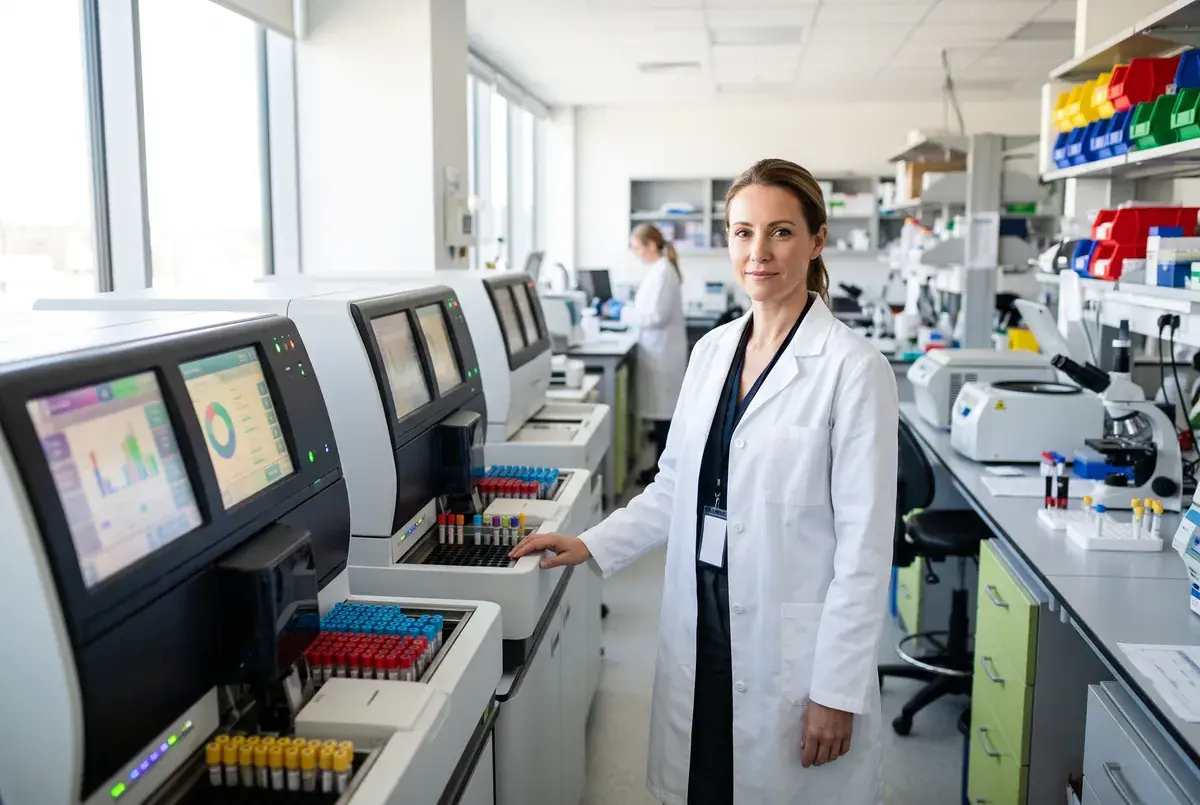
The challenge of molecular diagnostic lab profiling
This CATI fieldwork case study covers a molecular diagnostic lab profiling project for a healthcare intelligence firm. The firm needed to profile the installed base and test volume of molecular diagnostic labs. The target respondents were lab directors and managers at high-volume public and private facilities.
Senior lab leaders are gatekept and short of time. As a result, telephone access to a clean, tier-weighted sample was the core challenge.
Our approach
Our CATI team ran targeted outreach to qualified lab leaders. The team also steered the sample towards high-volume facilities.
- Telephone outreach to qualified molecular lab leaders nationwide
- A 30-minute survey capturing installed base and test-volume detail
- Sample steered to major cities and high-volume facilities
- Respondent verification and validated survey data
For context, industry bodies such as ESOMAR publish international codes that guide how researchers contact and treat professional respondents.
Why telephone suits B2B interviews in healthcare
B2B telephone interviews in healthcare work well when the audience is small and senior. A trained interviewer can explain the purpose of the study and answer questions on the spot. In addition, the interviewer can confirm the respondent's role before the main questions begin.
Online sampling often struggles with this kind of audience. Busy lab directors rarely answer open panel invitations. However, a direct call can reach them at a time that suits them, which makes healthcare market research fieldwork of this type more dependable.
Designing an installed base profiling survey
An installed base profiling survey needs clear definitions before fieldwork starts. For example, the team should agree what counts as an instrument in use, and which tests belong in the volume figures. Without that agreement, answers from different labs cannot be compared.
Good practice for molecular diagnostics market research also includes the following steps:
- Screen for role and lab type at the start of every call
- Keep questions short and use the same wording for every respondent
- Allow respondents to give approximate figures when exact numbers are not to hand
- Record the lab type and location so the sample can be checked against its targets
Good practice for a telephone survey of lab directors
A telephone survey of lab directors depends on careful preparation. Interviewers need a short briefing on the subject so they can follow technical answers. They should also know the survey flow well, because senior respondents notice hesitation.
Scheduling matters as well. Offering a call-back at a convenient time often works better than pressing for an interview on the first contact. As a result, respondents feel more at ease and give fuller answers.
Quality control should run alongside the calls rather than after them. Supervisors can check interviews as they happen. They can also review the data as it arrives, and flag anything that looks inconsistent.
Preparing the sample before fieldwork
A strong contact list is the foundation of any telephone study of specialist facilities. Before dialling begins, check that each lab is still active, that the contact holds the right level of seniority, and that the facility fits the agreed tier. As a result, interviewers spend their time on qualified calls rather than on wrong numbers.
It also helps to set quotas by lab type and location. For example, a balanced mix of public and private facilities stops one group from dominating the results. Review progress against those quotas regularly, and adjust outreach when a group falls behind.
The results
- 60 lab surveys completed in a 4-week field period
- Telephone reached senior lab leaders that online sampling could not
- Confirming role and lab type protected data quality
What this case study shows
Molecular diagnostic lab profiling is a good fit for telephone fieldwork. The audience is small, senior and hard to reach by other means. Verification at the start of each call kept the sample accurate, and the sample focus on high-volume facilities kept the results relevant to the client's question.
For similar projects, the lesson is simple. Define the audience tightly, agree the terms before the first call, and check quality throughout the field period.
Client project. Client details are anonymised.