The challenge
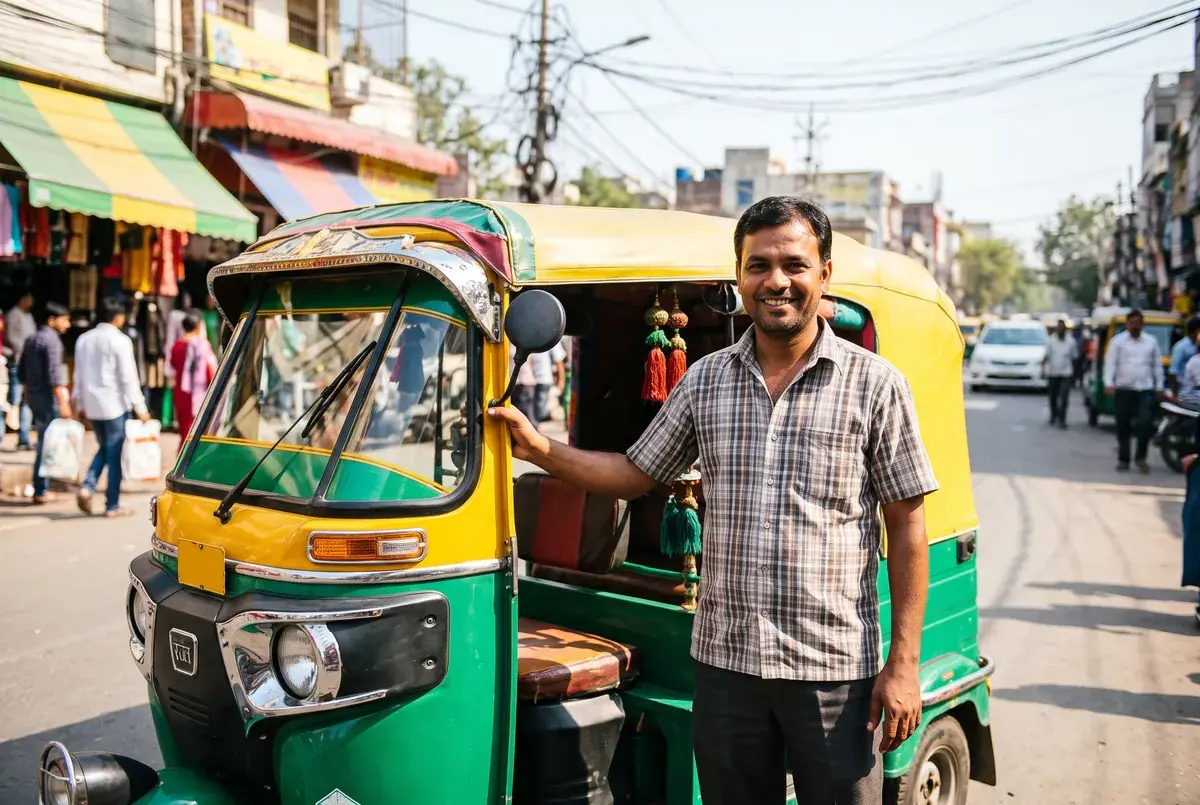
A three-wheeler manufacturer needed a three wheeler owner survey. It ran as face-to-face interviews with owners and operators. The aim was to understand ownership, usage and brand perception. Each market demanded local interviewer networks, native-language administration and quality control on the ground.
This three wheeler owner survey therefore had to work in three different places at once. The questionnaire, the sampling rules and the quality checks all had to stay the same. The interviewers, languages and working conditions, however, did not.
Why a three wheeler owner survey suits face-to-face interviewing
Three-wheeler owners and operators are often hard to reach online. Many spend their working day on the road, at depots or in local markets. As a result, online questionnaires and phone calls can miss the people the manufacturer wants to hear from.
Face-to-face interviews solve this problem. An interviewer can meet the respondent in person and confirm that they own or operate a three-wheeler. They can also explain each question clearly. In emerging markets, this approach also helps when literacy levels, internet access or language vary by area.
Our approach to face-to-face interviews
We ran face-to-face fieldwork through managed local networks and delivered tables and data in one package. The ICC/ESOMAR International Code sets the standard for how interviewers treat respondents in market research.
- Verification of three-wheeler owners and operators in each market
- Face-to-face interviews through managed local networks
- Interviews and briefings in each market's language
- Back-checks on interviews, then delivery of tabulation and the data file
How local interviewer networks protect quality
Local interviewer networks bring knowledge that a remote team cannot easily replace. Interviewers know the neighbourhoods, the routes and the way people talk about their vehicles. They can also speak to respondents in their own language, which reduces misunderstanding and keeps answers accurate.
However, local knowledge only helps when good management supports it. Good practice for a face-to-face survey in emerging markets includes the following:
- Briefing every interviewer on the questionnaire before fieldwork starts
- Checking that each respondent meets the screening criteria
- Back-checking a share of completed interviews with respondents
- Monitoring progress in each market so that problems surface early
These steps matter most in emerging markets market research, where conditions on the ground can change from day to day.
Running parallel fieldwork across three markets
Running fieldwork in parallel means interviewers work in each market in the same period. They use the same questionnaire and the same quotas. For example, the client can compare a brand perception question in one market with the same question in another. If fieldwork in each market took place months apart, outside events could distort the comparison.
Equal sample sizes also help. With the same number of interviews in each market, no single country dominates the combined findings.
From fieldwork to tabulation and data file
Collecting the interviews is only half of the job. The client also needs results they can use straight away. For that reason, we delivered market research tabulation and a data file together. As a result, the analysis team did not have to wait for a second supplier.
A clean data file has consistent coding, clear variable labels and no unexplained gaps. Tables then let the client read results by market and by group of respondents. Because both come from the same source, the numbers in the tables always match the data file.
The results
- 150 owner interviews, 50 in each market
- Face-to-face reached operators where they live and work
- Parallel fieldwork gave a clean cross-market comparison
What to plan for in a similar project
If you are planning a similar three wheeler owner survey, a few decisions are worth making early. First, define clearly who counts as an owner or an operator. Next, agree the languages for the questionnaire and the interviewer briefing. Finally, decide what tables and data format your team needs at delivery.
Settling these points before fieldwork begins keeps the project on track and makes the final comparison between markets easier to trust.
Client project. Client details are anonymised.