Key findings
- The automotive industry is going through its biggest transformation since mass production began, driven by electrification, autonomous technology and changing consumer preferences.
- Global EV sales penetration has reached 14% of total vehicle sales, while falling battery costs and expanding charging networks are easing range anxiety.
- Car buyers increasingly research online, prefer digital purchasing, and show rising interest in subscription and shared mobility services.
- Supply chain problems are prompting localisation, supplier diversification and better monitoring, while semiconductors, raw material costs and skilled workforce availability remain short-term concerns.
- Manufacturers, suppliers and retailers are advised to prioritise electrification, digital capabilities, supply chain resilience and customer experience, while watching solid-state batteries and wireless charging.
Contents 13 sections
- Market Evolution and Current State
- Electrification Transformation
- Consumer Behavior and Preferences
- Manufacturing and Supply Chain
- Technology Integration
- Market Segment Analysis
- Regional Market Dynamics
- Future of Automotive: Outlook and Opportunities
- Automotive Industry Challenges
- Sustainability Initiatives
- Recommendations for Industry Stakeholders
- Investment Implications
- Emerging Trends to Watch
Market Evolution and Current State
The automotive industry is undergoing its most significant transformation since mass production began. Electrification, autonomous technology, and changing consumer preferences are reshaping the traditional automotive landscape. Traditional OEMs are rapidly adapting their strategies while new players emerge with innovative approaches to mobility. These automotive industry trends will define the future of automotive mobility.
Electrification Transformation
EV Market Dynamics
The electric vehicle segment continues to show remarkable growth, with several key electric vehicle market trends emerging:
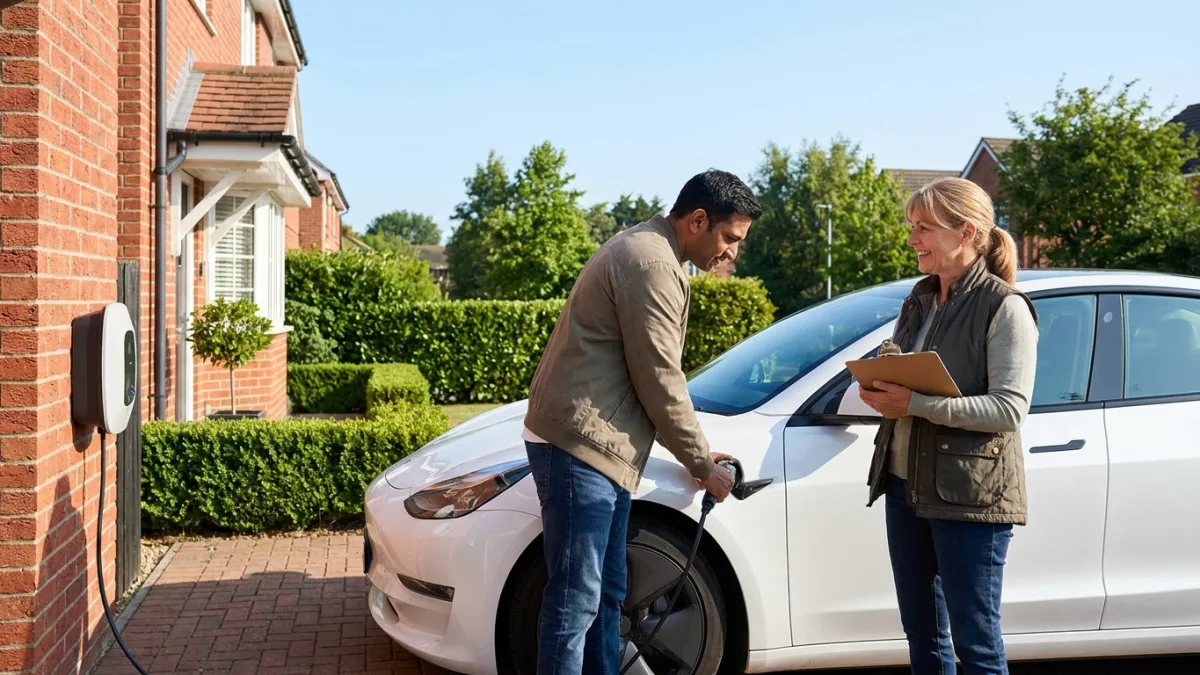
- Global EV sales penetration reaching 14% of total vehicle sales
- Battery technology advancing with cost per kWh declining
- Charging infrastructure expanding globally
- Range anxiety reducing with improved battery technology
Infrastructure Development
Charging network expansion shows varied progress across regions:
- Urban areas seeing rapid charging station deployment
- Highway corridor coverage improving
- Home charging solutions becoming more sophisticated
- Integration of smart charging capabilities
Consumer Behavior and Preferences
Purchasing Patterns
Automotive consumer behaviour is showing distinct shifts among modern car buyers:

- Increased online research and virtual showroom visits
- Growing preference for digital purchasing options
- Rising interest in subscription-based mobility solutions
- Environmental consciousness influencing buying decisions
Vehicle Usage Trends
Consumer usage patterns continue to evolve:
- Shift toward mixed mobility solutions
- Growing acceptance of shared mobility services
- Increased demand for connected car features
- Rising expectations for digital integration
Manufacturing and Supply Chain
Production Innovation
Manufacturers are revolutionising production processes through:
- Advanced robotics integration
- AI-powered quality control systems
- Modular production platforms
- Sustainable manufacturing practices
Supply Chain Resilience
Recent automotive supply chain challenges have prompted:
- Localization of critical component production
- Increased supplier diversification
- Enhanced inventory management systems
- Advanced supply chain monitoring solutions
Technology Integration
Connected Vehicles
The connected car market shows strong growth in these features:
- Over-the-air update capabilities
- Advanced driver assistance systems (ADAS)
- Vehicle-to-everything (V2X) communication
- Integrated entertainment systems
Autonomous Development
Autonomous vehicle technology continues to advance:
- Level 2+ autonomy becoming standard in new vehicles
- Urban testing of level 4 autonomy
- Development of sensor technologies
- Machine learning improvements in decision-making
Market Segment Analysis
Luxury Segment
Premium vehicle market shows distinct trends:
- Strong electrification adoption
- Advanced technology integration
- Personalization offerings
- Digital luxury experiences
Mass Market
Volume segments demonstrate:
- Value-focused electrification
- Essential connectivity features
- Improved safety technology
- Efficient powertrain options
Regional Market Dynamics
Mature Markets
Established automotive markets show:
- Strong EV adoption rates
- Advanced technology demand
- Stringent emissions regulations
- Shift toward premium segments
Emerging Markets
Developing regions demonstrate:
- Growing middle-class vehicle demand
- Value-oriented product preferences
- Infrastructure development needs
- Unique local market requirements
Future of Automotive: Outlook and Opportunities
Growth Areas
Key opportunities for the future of automotive exist in:
- Electric vehicle ecosystem
- Connected car services
- Autonomous technology development
- Sustainable mobility solutions
Innovation Focus
Priority areas for development:
- Battery technology advancement
- Software integration capabilities
- User experience enhancement
- Manufacturing efficiency
Automotive Industry Challenges
Short-term Challenges
Immediate concerns include:
- Semiconductor availability
- Raw material costs
- Supply chain stability
- Skilled workforce availability
Long-term Challenges
Strategic considerations encompass:
- Infrastructure development
- Technology standardization
- Regulatory compliance
- Environmental sustainability
Sustainability Initiatives
Environmental Impact
Industry focus on:
- Carbon footprint reduction
- Recycling and circular economy
- Sustainable material usage
- Clean energy adoption
Regulatory Compliance
Key considerations include:
- Emissions standards adherence
- Safety regulation compliance
- Data privacy requirements, such as the GDPR
- Environmental reporting standards
Recommendations for Industry Stakeholders
For Manufacturers
Strategic priorities should include:
- Accelerating electrification programs
- Enhancing digital capabilities
- Strengthening supply chain resilience
- Investing in advanced manufacturing
For Suppliers
Focus areas should encompass:
- Technology innovation
- Manufacturing flexibility
- Digital integration
- Sustainability alignment
For Retailers
Adaptation strategies should consider:
- Digital sales channels
- Service modernization
- Customer experience enhancement
- Data-driven operations
Investment Implications
Capital Allocation
Priority investment areas:
- R&D in key technologies
- Manufacturing modernization
- Digital infrastructure
- Talent development
Risk Management
Key considerations:
- Technology investment timing
- Market demand alignment
- Regulatory compliance
- Competition monitoring
Emerging Trends to Watch
Technology Evolution
Key developments in:
- Solid-state batteries
- Wireless charging
- Advanced driver interfaces
- Autonomous systems
Market Transformation
Evolving aspects include:
- New business models
- Mobility services
- Urban transport solutions
- Customer engagement approaches
This comprehensive analysis provides a foundation for understanding the current state and future direction of the automotive industry. Would you like me to expand on any particular aspect or proceed with insights for another industry sector?
Sources
Public sources this insight draws on. They open on the publishers' own websites.
- GDPRgdpr-info.eu
About this insight. Written by the Research and Metric team from public sources and our experience running fieldwork for brands and research agencies. It is general information, not advice for a specific business.
Get new articles by email
Useful tips on surveys and research. One email when we post something new. Unsubscribe anytime.