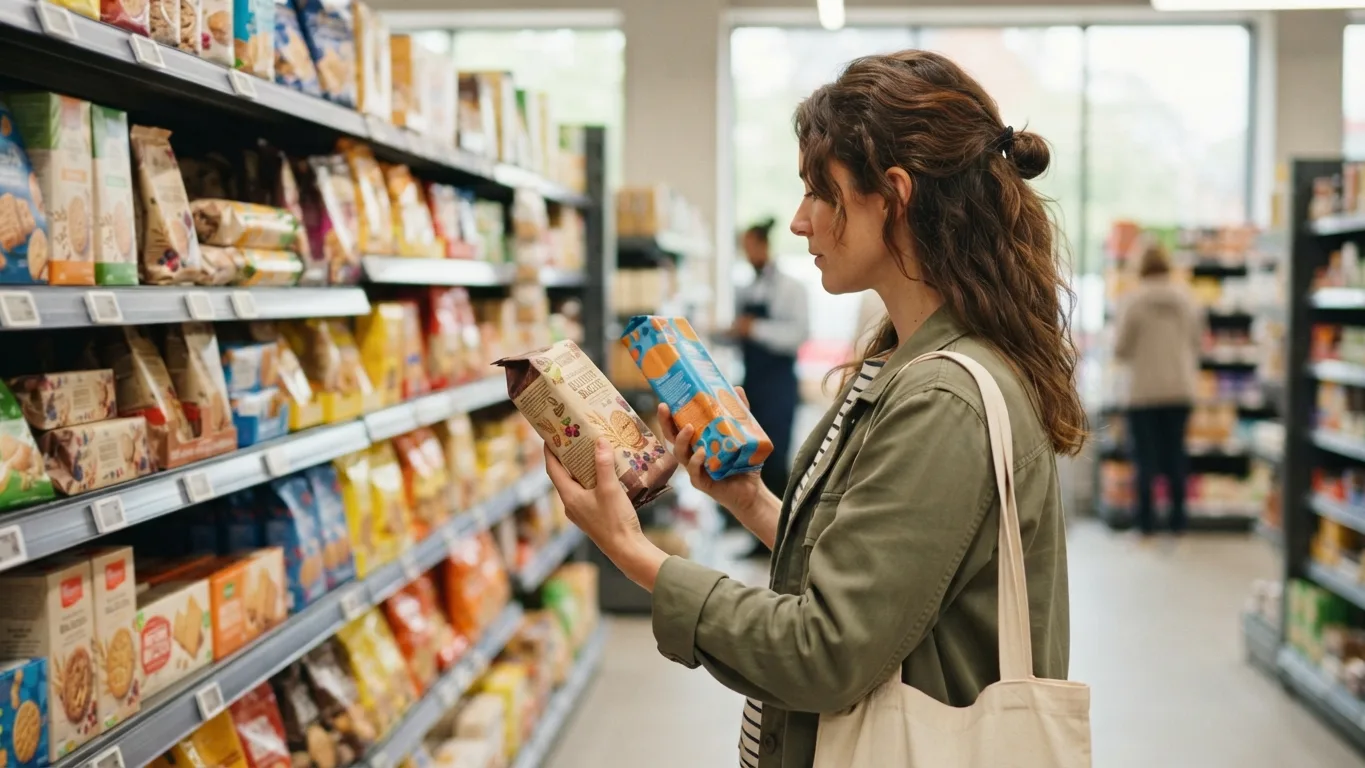
Key takeaways
- Local and regional FMCG brands are taking market share from global multinationals in 2026, including in categories where the big names once looked untouchable.
- The shift has several possible drivers, including value perception, cultural relevance, speed of innovation, trust and new discovery channels, which should be tested as hypotheses in each category.
- Brand switching is now often driven by trial rather than dissatisfaction, so a loyal buyer is not necessarily an exclusive buyer.
- Traditional trackers can hide fast-growing challengers through incomplete competitor lists, national averages, reliance on awareness and narrow sampling.
- A mix of surveys, qualitative research, product tests and behavioural observation, backed by careful local fieldwork, explains the shift best.
On this page 9 sections
- Why local FMCG brands are gaining ground
- What is driving the market share shift
- Brand switching and consumer loyalty are being redefined
- Where traditional tracking falls short
- Research approaches that explain the shift
- Fieldwork considerations when going local
- What brand teams should do now
- A shift worth measuring carefully
- Frequently asked questions
A significant shift is under way in the FMCG market in 2026. Local FMCG brands and regional challengers are capturing substantial market share from global multinationals. This is happening in categories where the big names once looked untouchable.
For research teams, this is more than a headline. As a result, it changes what you need to measure and who you need to ask. It also changes how you read results that used to be stable. This article looks at what is behind the change and how to build research that keeps up with it.
Why local FMCG brands are gaining ground
The change is not the result of one single cause. Instead, it is a build-up of shifts in how people shop. It also reflects what they trust and what they feel they get for their money. Local and regional players tend to be well placed on all three.
Global multinationals have scale, distribution and marketing budgets. Those advantages still matter. However, they come with trade-offs. These include slower product cycles and standardised propositions. Communication can also feel distant from the shopper in front of the shelf.
Local brands, by contrast, are often the opposite. They can react quickly, speak in familiar language, and build products around tastes, occasions and price points they know well. As a result, when shoppers are open to trying something new, that closeness is a real advantage.
What is driving the market share shift
Several forces tend to sit behind a market share shift of this kind. Treat the list below as hypotheses to test in your own category, not as settled findings.
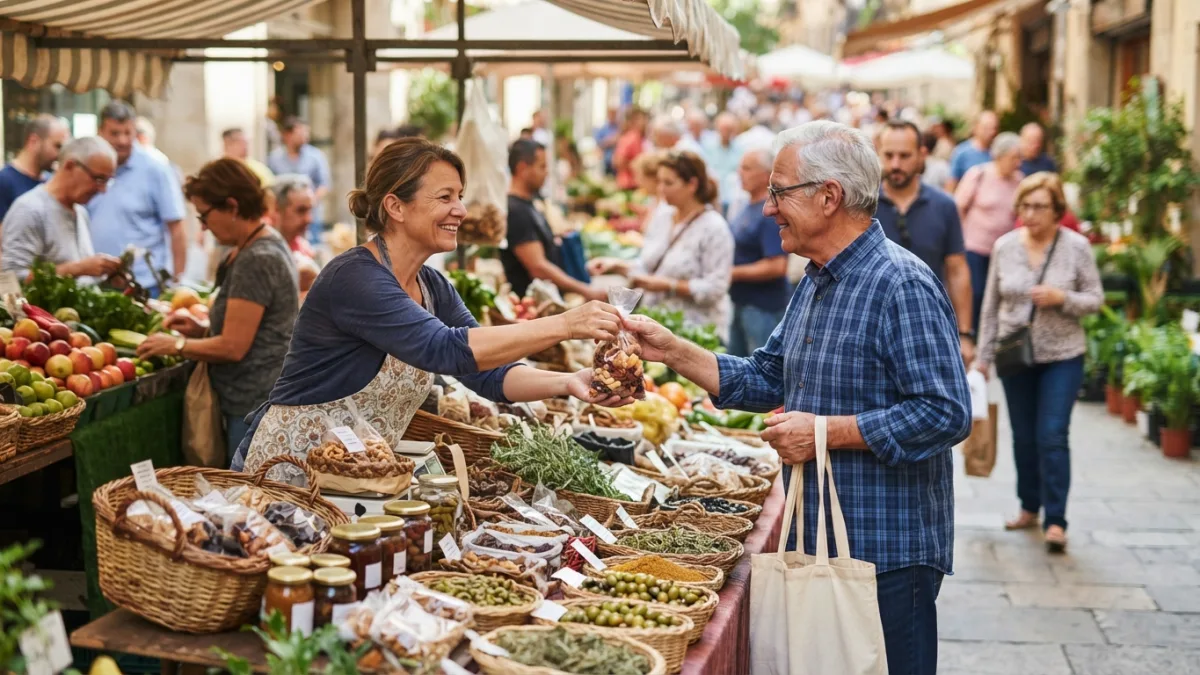
- Value perception. Shoppers under financial pressure compare more carefully. Our piece on the global rise of the value seeker explores how that anxiety is reshaping consumer goods.
- Cultural relevance. For example, local brands often reflect regional flavours, festivals, language and routines more naturally. A global range adapted for many markets can struggle to do the same.
- Speed of innovation. Smaller companies can move from idea to shelf quickly, responding to trends while they are still current. See our view on the drivers of FMCG product innovation.
- Trust and provenance. Many shoppers value knowing where a product is made and who makes it.
- Discovery channels. Social platforms, quick commerce and online marketplaces let new names reach shoppers without the traditional gatekeepers.
However, not every driver will apply in every category or country. That is exactly why the research design matters.
Brand switching and consumer loyalty are being redefined
For years, consumer loyalty to a global brand was treated as a stable asset. Tracking studies reported steady awareness, consideration and preference, and the numbers moved slowly.
When regional brands gain ground, that picture changes. As a result, brand switching becomes more frequent, and it can be driven by trial rather than dissatisfaction. For example, a shopper may be content with a familiar global product. They may still pick up a local alternative because it looks interesting, costs less or feels closer to home.
That has an important consequence. A loyal buyer is not necessarily an exclusive buyer. Consequently, if your measurement only asks about the main brand, you may miss the repertoire a household actually buys.
Where traditional tracking falls short
Many brand trackers were built around a fixed list of well-known brands. However, that structure can hide exactly the competitors that are growing fastest.
Common gaps include:
- Incomplete competitor lists. Smaller regional names are left out of unaided and aided questions, so their rise is invisible.
- National averages that mask local movement. A challenger can be strong in specific cities, states or provinces while looking marginal nationally.
- Over-reliance on awareness. Awareness may be flat while trial and purchase are changing underneath.
- Narrow sampling. Samples that skew towards urban, online and higher-income respondents can miss shoppers who buy mostly through local retail.
For this reason, good FMCG market research now needs to widen the lens. That applies both to who is included and to what is asked.
Research approaches that explain the shift
No single method will explain why local FMCG brands are winning. A combination works better, because the question has both a behavioural side and an emotional side.

Quantitative studies for scale and segmentation
A well-designed survey can show who is switching, how often, and in which occasions. Build in questions on repertoire, last purchase, reasons for trial and likelihood of repeat. In addition, include local and regional brands by name, informed by local knowledge rather than a global brand list.
Sample design deserves as much attention as questionnaire design. For example, quotas by region, retail channel, income and household type help avoid a skewed picture. Without them, results may only reflect the easiest people to reach.
Qualitative research for meaning
Numbers show that a shift is happening. However, conversations explain why. Interviews and group discussions can explore what a local brand signals about quality, identity and fairness. They can also show what the global brand is failing to say. Moreover, online formats make it practical to reach shoppers across several regions without large travel budgets.
Product testing for the real comparison
Claims about taste, texture, fragrance or performance are easy to make and hard to verify. Therefore, blind and branded tests help separate what the product delivers from what the brand name adds. Central location tests and in-home use tests are useful here. They let you compare your product with local competitors under realistic conditions.
Observation of everyday behaviour
Diary studies and mobile ethnography show how products are chosen, stored and used at home. They can reveal substitutions that surveys do not capture. For example, a household may swap brands for one occasion but not for another.
Fieldwork considerations when going local
Studying regional competition raises practical fieldwork questions that are easy to underestimate.
Language and nuance. Questionnaires need to work in the way people actually speak. Poor translation can distort brand names, price terms and emotional language. Careful questionnaire translation and back-checking protect comparability across markets.
Representative reach. Online samples are efficient, but in some markets and categories they will not reach every relevant shopper. Mixed-mode designs, which combine online with telephone or face-to-face interviewing, can fill the gaps.
Consistency across countries. Suppose you are comparing how local brands perform in several markets. In that case, the method, sample definition and quality controls need to be aligned. Experienced global fieldwork coordination keeps a multi-country study consistent while respecting local conditions.
Data quality. Wider, more varied samples mean more room for error. Clear checks for speeding, inconsistent answers and duplicate respondents keep the findings reliable. This matters most when you are looking for small differences between brands. For example, the ESOMAR international codes set out good practice for conducting research ethically and transparently.
What brand teams should do now
If you work for a global multinational, the practical response is to learn quickly and locally. Do not assume the old playbook still holds.
- Audit your competitor set. Add regional and local names to trackers, with input from people who know each market.
- Look below the national average. Report by region and channel, so emerging strength is visible early.
- Measure trial and repeat, not just awareness. These are the early signals of a shift.
- Ask about repertoire. Understand which brands share the basket, and for which occasions.
- Test your product against local rivals. Do not rely on assumptions about superiority.
- Listen to the language shoppers use. Open-ended answers and interviews often show what local brands are saying better.
If you are a local or regional brand, the same research helps you protect your gains. Understanding why shoppers chose you is the first step to keeping them when a larger competitor responds.
A shift worth measuring carefully
The rise of local FMCG brands in 2026 is a reminder that market position is never permanent. Scale alone no longer guarantees preference. Shoppers are showing they will try alternatives that feel closer, fairer or better suited to their lives.
Ultimately, the brands that respond well will be the ones that measure the change accurately. They will do so in the right places and with the right people. If you are planning research into this shift, our team can help with design, recruitment and fieldwork. You can speak to an expert about your project.
Frequently asked questions
Why are local FMCG brands gaining share from global multinationals?
Local and regional brands often combine cultural relevance, quick innovation, competitive value and a sense of trust. When shoppers are willing to try alternatives, those strengths help them win trial and, in many cases, repeat purchase.
How should research teams track regional brands properly?
Include local and regional names in competitor lists, and report results by region and channel. Measure trial, repeat purchase and brand repertoire alongside awareness. In addition, sample design should reflect how people really shop, not only who is easiest to reach online.
Which research methods work best to understand this shift?
A mix works best. Surveys give scale and segmentation, and qualitative interviews give meaning. Product tests offer a fair comparison, while diary or ethnographic studies show real behaviour at home.
Get new articles by email
Useful tips on surveys and research. One email when we post something new. Unsubscribe anytime.