Key takeaways
- Sentiment analysis tools examine online discussions, social media posts and consumer feedback to show how the public feels about companies, products and market trends.
- Image and video recognition lets researchers in fields such as fashion, advertising and design draw insights from photographs, videos and other visual material.
- Predictive modelling with machine learning and deep learning helps companies tailor marketing tactics, estimate sales trajectories and find upcoming market opportunities.
- These tools still need human oversight, and the ICC/ESOMAR International Code remains a useful guide for ethical research.
On this page 4 sections
The use of artificial intelligence (AI) has become a game-changer in market research. AI-powered market research is changing how companies collect, evaluate and use customer data. As the new year begins, all eyes will be on the technologies and apps behind this shift. As a result, organisations can better understand their target consumers and keep up with the competition.
How AI-powered market research uses data analytics
Data analytics sits at the front of AI-powered market research. It uses machine learning algorithms and predictive modelling to find useful insights in large, complex datasets. In January, there was a surge in analytics systems powered by AI. These systems can handle many types of data, for example social media, customer reviews and market trends. They also work with both structured and unstructured data. By using AI to find hidden patterns, correlations and trends, researchers help organisations make data-driven choices with confidence and accuracy.
Sentiment analysis
The study of customer sentiment is one of the most prominent uses of AI in market research. Sentiment analysis systems driven by AI examine online discussions, social media posts and consumer feedback. In this way, they show how the general public feels about companies, products and market trends. Thanks to major advances in sentiment analysis technology in January, researchers can now get real-time insights into customer attitudes, emotions and impressions. These insights also offer greater detail and accuracy than before.
Image and video recognition
In addition, market research driven by AI goes beyond conventional survey methods. It now includes newer techniques such as video analytics and image recognition. For example, AI algorithms can analyse photographs, videos and other visual material. As a result, researchers in visual fields such as fashion, advertising and design can draw insights from multimedia sources. The use of AI-powered image recognition software rose sharply in January. This gave companies access to previously unavailable consumer information.
Predictive analytics in market research
AI is also bringing about a sea change in predictive analytics. This helps companies foresee market trends, customer behaviour and competitive dynamics with new precision. Researchers use predictive modelling approaches such as machine learning and deep learning. For example, they can tailor marketing tactics, estimate sales trajectories and find upcoming market opportunities. In January, there was a surge in predictive analytics platforms driven by AI. Consequently, organisations can anticipate trends and profit from them before they become widely known.
Good practice for AI data analytics
AI data analytics works best when it starts with a clear research question. Before choosing a tool, decide which decision the findings will support. Then check that the data behind the model is accurate, relevant and collected with proper consent.
Machine learning market research models are only as good as the data they learn from. For example, a model trained on a narrow sample may miss important customer groups. As a result, teams should test outputs against known results and review them regularly.
Researchers can follow a few simple steps:
- Define the business question before selecting a method.
- Clean and document the data used to train each model.
- Compare AI findings with traditional research results.
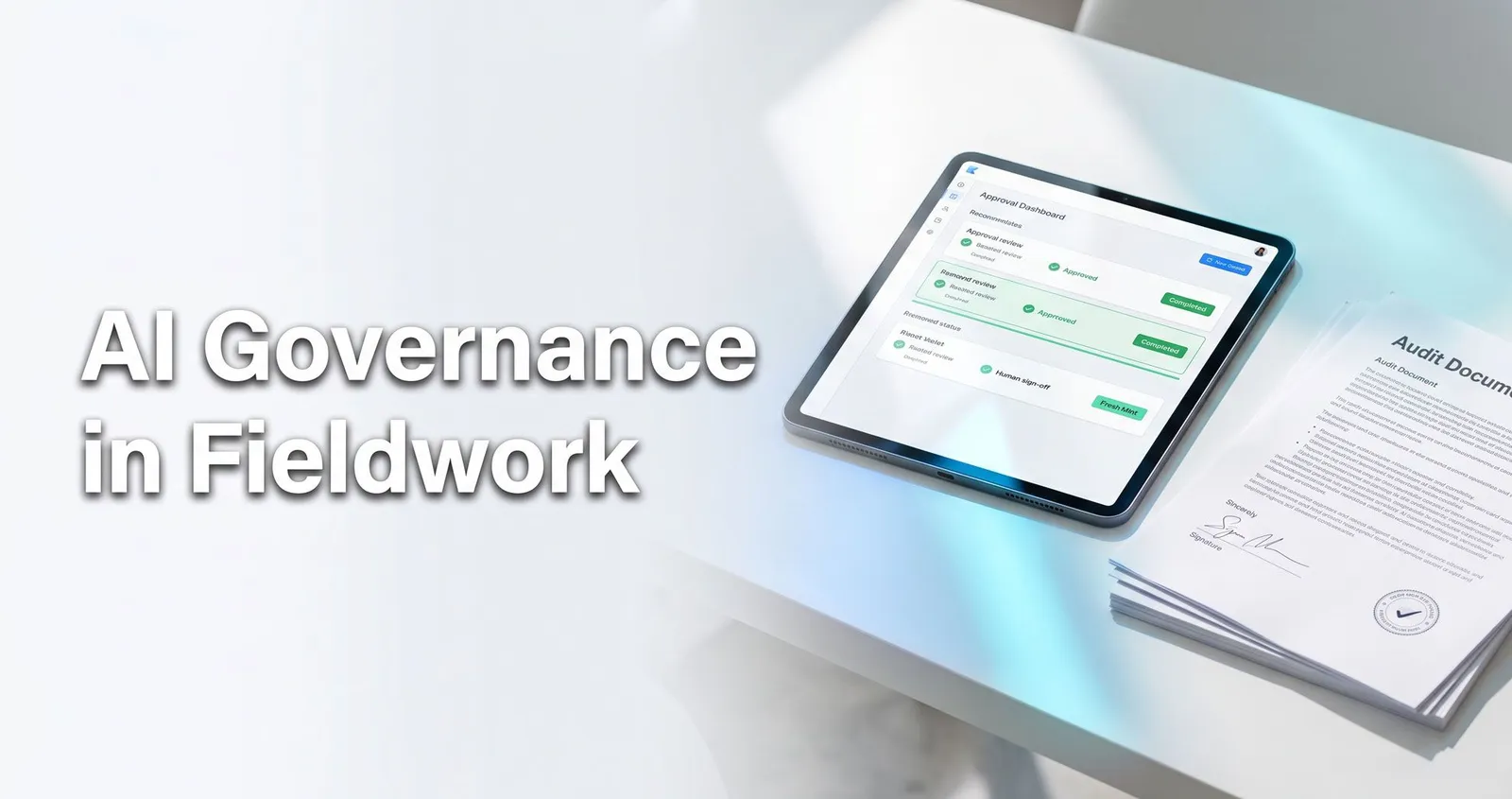
- Keep a named person responsible for reviewing and signing off insights.
Used this way, AI supports researchers rather than replacing their judgement.
What comes next
To sum up, the advances and uses of AI in market research in January signal a new age of data-driven decision-making. With AI, organisations can gain deeper insights, make better decisions and achieve lasting success in a market that is always changing. Technology moves fast and markets shift constantly. However, AI-driven analytics, sentiment analysis, visual recognition and predictive modelling help organisations make the most of their data assets. These tools still need human oversight, and the ICC/ESOMAR International Code remains a useful guide for ethical research. Over time, AI will be an important factor in how market research is conducted. It will help companies deal with challenges, take advantage of opportunities and adapt to a dynamic business environment.
Get new articles by email
Useful tips on surveys and research. One email when we post something new. Unsubscribe anytime.